3月になると、街に桜の気配が漂い始めます。
まだ咲いていなくても、和菓子売り場にはもう春。
桜餅は、見た目も香りも味も、まさに「食べる春」です。
今回は、桜餅の歴史や、東京で出会った4つの桜餅をご紹介します。
目次
- 桜餅とは?春を告げる和菓子
- 桜餅の歴史|発祥は江戸・向島
- 長命寺と道明寺の違い
- 東京のおすすめ桜餅4選
- ④ 梅園(浅草本店)|甘味処で味わう桜のひと皿
- まとめ
- March Wagashi Special|Comparing Kanto and Kansai-Style Sakuramochi in Tokyo
- What Is Sakuramochi?
- The History of Sakuramochi
- Chomeiji vs. Domyoji|What’s the Difference?
- 4 Recommended Sakuramochi in Tokyo
- ③ Chomeiji Sakuramochi (Mukojima)
- Conclusion
桜餅とは?春を告げる和菓子
桜餅は、桜の葉で包んだ餅菓子のこと。
塩漬けにした桜の葉の香りと、あんこの甘さを楽しむ、春を代表する和菓子です。
ひな祭りの頃から和菓子店に並びはじめ、3月の風物詩ともいえる存在。
まだ桜が咲いていなくても、桜餅を食べると、ひと足早く春がやってきたような気持ちになります。
葉っぱを食べるかどうかで毎回少し迷うのも、桜餅あるあるですね。
桜餅の歴史|発祥は江戸・向島
桜餅の発祥は、江戸時代。
隅田川沿いの長命寺の門前で、桜の葉の塩漬けを利用して作られたのが始まりといわれています。
掃き集められた桜の葉を無駄にせず、塩漬けにして餅に巻いたことから生まれた、江戸の知恵のお菓子です。
この「長命寺桜もち」が、関東風桜餅の原型。
その後、関西では道明寺粉(蒸して乾燥させたもち米を粗く砕いたもの)を使った桜餅が広まり、現在の「道明寺タイプ」が定着しました。
つまり、桜餅はひとつではなく、
江戸生まれの長命寺タイプと、関西生まれの道明寺タイプの2種類があるのです。
長命寺と道明寺の違い
長命寺と道明寺、食感も見た目も、まったく違います。
長命寺(関東風)
・小麦粉の薄焼き生地
・クレープのように包む
・なめらかでしっとり
・色は白〜淡いピンク
道明寺(関西風)
・もち米の粒が残る生地
・半球状
・もっちり感が強い
・はっきりとした桜色が多い
東京のおすすめ桜餅4選
3月になると、どの店にも桜餅が並びます。
でも、よく見ると形が違う。
薄いクレープのようなものもあれば、もち米の粒が残る丸いものもある。
今回ご紹介する4店は、偶然にも両方のタイプが揃いました。
① あけぼの|上品でやわらかな長命寺タイプ
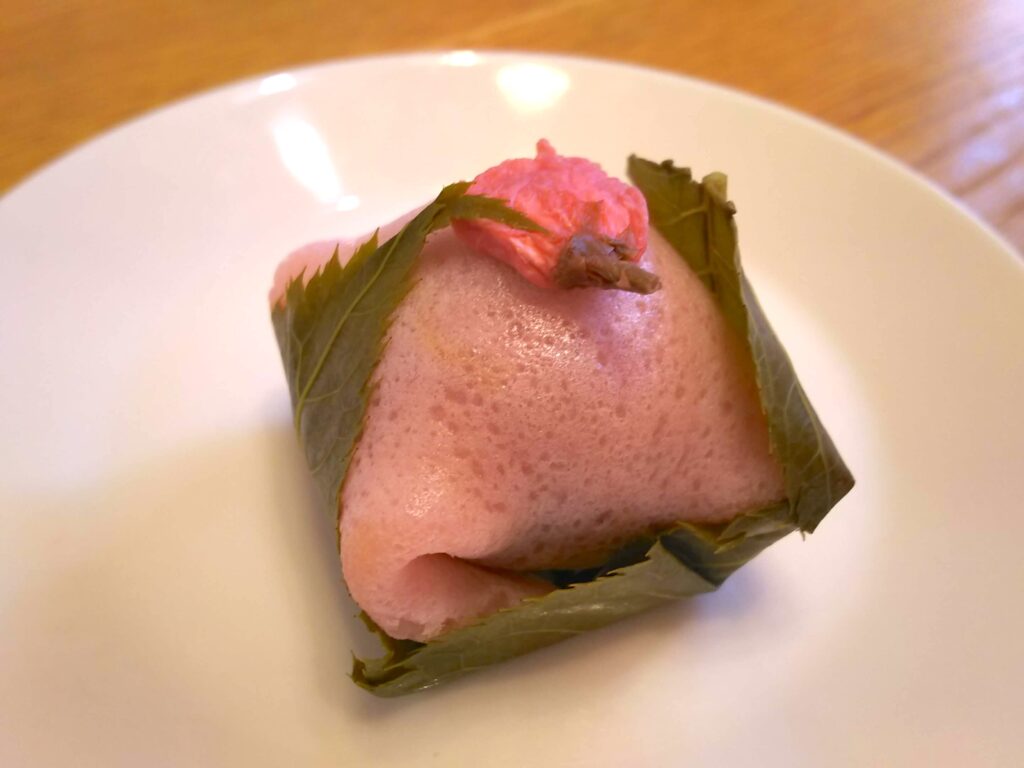
・やわらかな薄生地
・ほどよい甘さ
・食べやすいサイズ感
安心感のある王道の桜餅。
初めてでも食べやすく、贈り物にも向くタイプ。
→「春らしさ」を素直に味わいたい人向け。
② 銀座甘楽|素材感が光る、現代的な桜餅
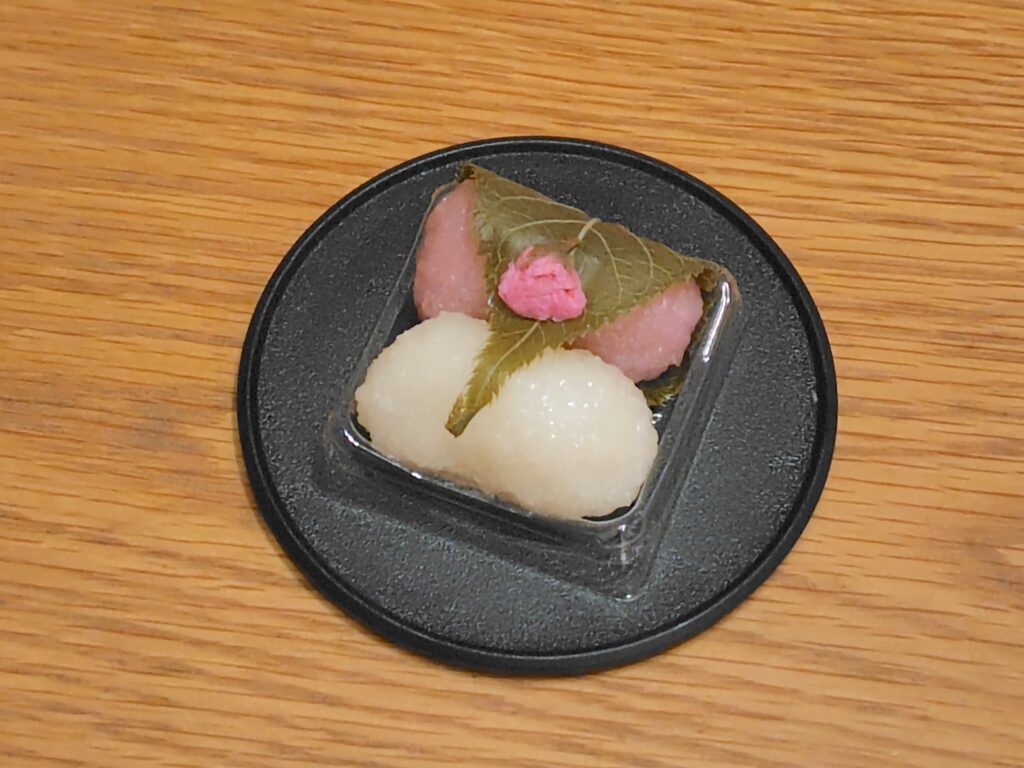
・もち米の粒感
・甘さ控えめ
・上質なあんこ
もっちり感がありつつ、重すぎない。
バランスの取れた一品です
→ 甘さが苦手な人にもおすすめ。
③ 長命寺桜もち|三枚の葉に包まれた江戸の春
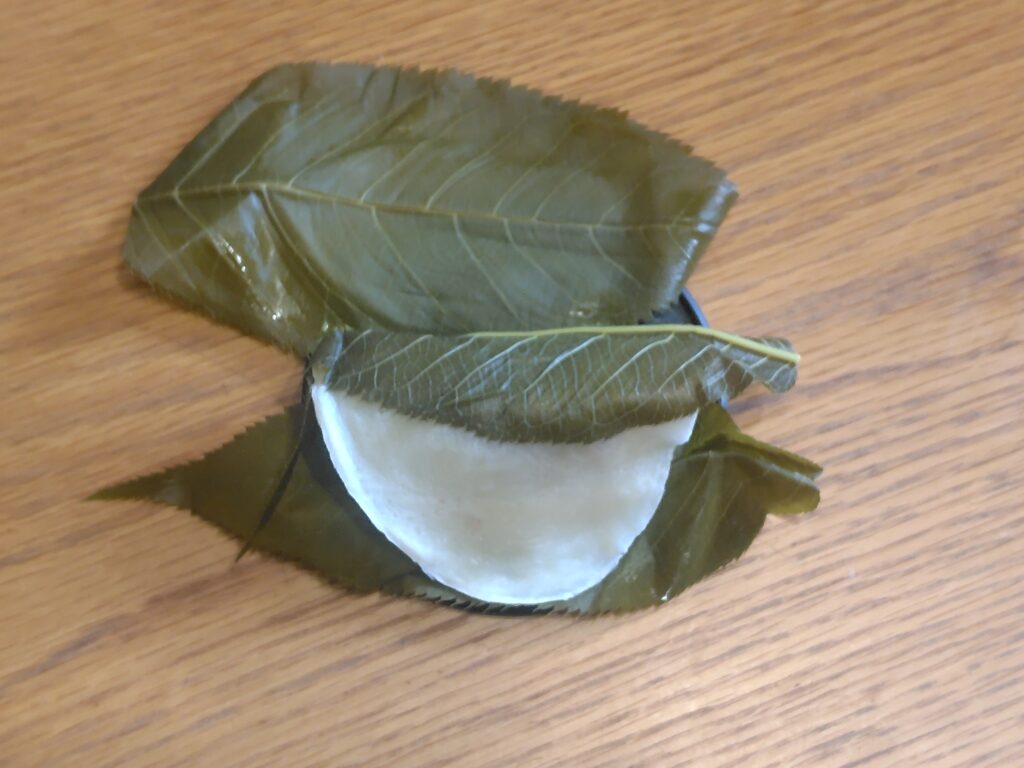
・白いクレープ生地
・桜の葉が三枚
・圧倒的な塩気と香り
箱を開けた瞬間、葉の香りが広がります。
三枚の葉をどう食べるかで味の印象が変わる、体験型桜餅ともいえます。
④ 梅園(浅草本店)|甘味処で味わう桜のひと皿
・店内でゆっくり
・あんみつや団子も充実
・浅草散策とセットで楽しめる
和菓子単体というより「春の時間」。
観光と一緒に楽しむ桜餅は、また違う味わい。
→ おでかけ派におすすめ。
まとめ
まだ桜が咲いていなくても、
桜餅をひと口食べれば、春はすぐそこ。
東京には、個性の違う桜餅が揃っています。
今年の3月は、あなた好みの春を探してみてはいかがでしょうか。
March Wagashi Special|Comparing Kanto and Kansai-Style Sakuramochi in Tokyo
As March arrives, the feeling of cherry blossom season begins to drift through the city.
Even before the flowers bloom, spring has already arrived at Japanese confectionery shops.
Sakuramochi — a rice cake wrapped in a salted cherry leaf — is truly “spring you can eat.”
In this article, I’ll introduce the history of sakuramochi and four places in Tokyo where you can try different styles.
What Is Sakuramochi?
Sakuramochi is a traditional Japanese sweet made of sweet red bean paste wrapped in rice cake and covered with a salted cherry blossom leaf.
The aroma of the leaf and the sweetness of the bean paste create a uniquely spring-like flavor.
You’ll start seeing them around Hinamatsuri (Girls’ Day, March 3rd), making them one of the signature sweets of early spring in Japan.
And yes — people often debate whether to eat the leaf or not.
The History of Sakuramochi
Sakuramochi dates back to the Edo period (1603–1868).
It is said to have originated near Chomeiji Temple along the Sumida River in Tokyo. Salted cherry leaves were wrapped around rice cakes, turning fallen leaves into something delicious — an example of Edo-era ingenuity.
This became what we now call the “Chomeiji-style” sakuramochi.
Later, in the Kansai region, another version emerged using domyoji-ko (coarsely ground glutinous rice). This became known as the “Domyoji-style.”
Today, sakuramochi exists in two main forms.
Chomeiji vs. Domyoji|What’s the Difference?
【Chomeiji Style (Kanto / Tokyo Style)】
• Thin crepe-like wheat wrapper
• Wrapped in a flat, folded shape
• Smooth and light texture
• Usually white or pale pink
【Domyoji Style (Kansai Style)】
• Made with coarse glutinous rice
• Round or dome-shaped
• Chewy texture with visible rice grains
• Often bright pink
4 Recommended Sakuramochi in Tokyo
If you’re looking for sakuramochi in Tokyo this March, here are four places where you can experience both styles.
① Ginza Akebono
A refined and gentle version of the Tokyo-style sakuramochi.
• Soft, thin wrapper
• Balanced sweetness
• Easy-to-eat size
A classic, approachable sakuramochi — perfect for gifts or first-timers.
② Ginza Kanra|Modern Domyoji-Style
A more contemporary take.
• Noticeable rice grain texture
• Mild sweetness
• High-quality red bean paste
Chewy yet not heavy, making it ideal for those who prefer less sweetness.
③ Chomeiji Sakuramochi (Mukojima)
The historic original.
• White, ultra-thin crepe wrapper
• Three large cherry leaves
• Bold saltiness and aroma
Opening the box releases an intense cherry leaf fragrance.
You can adjust the flavor by eating it with one, two, or all three leaves.
If you want to taste “authentic Edo spring,” this is it.
④ Umezono (Asakusa Main Shop)|Domyoji in a Traditional Tea House Setting
Enjoy sakuramochi alongside a stroll through Asakusa.
• Chewy domyoji-style texture
• Gentle leaf flavor
• Cozy in-store seating available
More than just a sweet — it’s part of a springtime experience.
Conclusion
Even before the cherry blossoms bloom, sakuramochi brings spring to life.
Whether you prefer the light elegance of Chomeiji-style or the chewy comfort of Domyoji-style, Tokyo offers a wide variety of choices.
This March, why not explore and find your favorite taste of spring?